
Say Goodbye to Melasma & Uneven Skin Tone
Cutishine Derma Clinic Dr Varsha Dubey
Understanding Melasma or Uneven Pigmentation
How to get rid of Melasma in Lucknow
Expert dermatologist-led pigmentation treatments in Lucknow — customised to your skin type, tone, and lifestyle for visible, lasting results.
Understanding the Condition
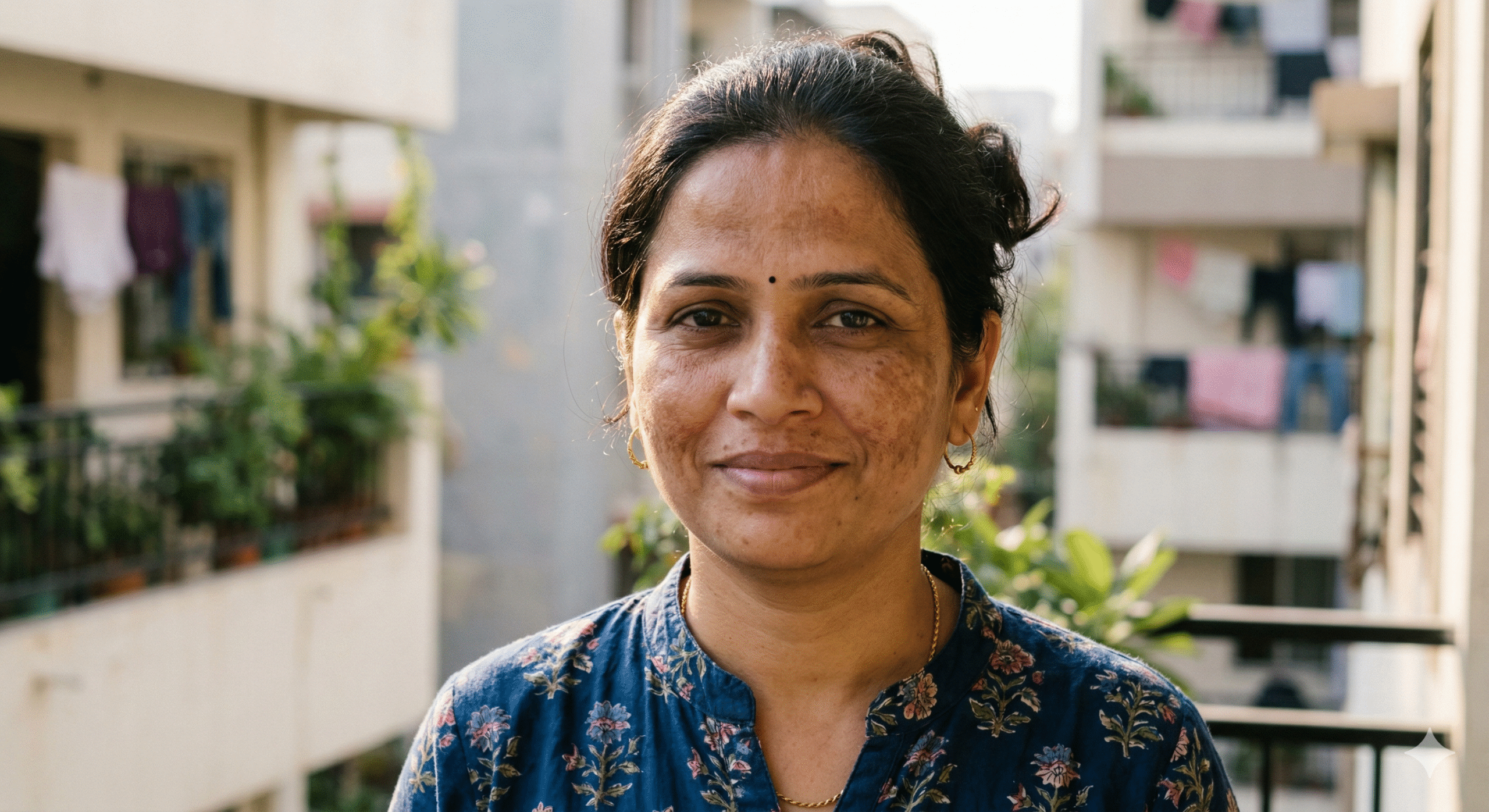
What is Melasma & Pigmentation?
Melasma is a common skin condition causing brown, grey-brown, or blue-grey patches, most often appearing on the face. It occurs when melanocytes — the pigment-producing cells in your skin — become overactive and produce excess melanin.
Pigmentation disorders, including melasma, are especially prevalent in India due to higher levels of UV radiation and genetic predisposition. While not medically harmful, pigmentation can deeply affect confidence and quality of life. At Cutishine Derma Clinic, we understand this — and we have the science to address it effectively.
Melasma
A chronic condition involving symmetrical patches of discolouration, typically on the cheeks, forehead, nose bridge, upper lip, and chin. Strongly linked to hormonal changes, sun exposure, and genetic predisposition. More common in women and individuals with olive to darker skin tones.
Hyperpigmentation
A broad term for any area of skin that has become darker than the surrounding skin. This includes post-inflammatory hyperpigmentation (PIH) from acne or injury, age spots, sun spots, and freckles. Each type requires a tailored treatment approach for optimal results.
Post-Acne Marks
Dark spots left behind after acne heals, especially common on Indian skin. These are not scars but temporary pigment changes. With the right skincare protocol and clinical treatments, they can be significantly faded within weeks to months.
Sun Damage & Tanning
Prolonged UV exposure triggers excess melanin production, leading to uneven skin tone, tanning, and sunspots. In Lucknow's climate, cumulative sun damage is a major contributor to pigmentation concerns, making sun protection and corrective treatment essential.
Root Causes
What Causes Melasma & Pigmentation?
Understanding the root cause of your pigmentation is the first step toward effective treatment. Multiple factors often work together to trigger melanin overproduction.
UV Sun Exposure
The #1 trigger. UV rays stimulate melanocytes and worsen existing pigmentation significantly.
Hormonal Changes
Pregnancy (chloasma), contraceptive pills, and thyroid disorders all influence melanin production.
Genetics
Family history plays a significant role. Indian and Asian skin types are inherently more prone to pigmentation.
Heat Exposure
Infrared radiation and heat from cooking fires or laptops can trigger melasma flare-ups.
Skincare Reactions
Harsh products, fragrances, or photo-sensitising ingredients can cause post-inflammatory darkening.
Medications
Certain antibiotics, anti-epileptics, and NSAIDs can cause drug-induced photosensitivity and pigmentation.
Know Your Pigmentation
Types of Pigmentation We Treat
Epidermal Melasma
The most superficial type — confined to the outer skin layer. Responds well to topical treatments and chemical peels. Appears tan or brown under Wood's lamp examination.
Dermal Melasma
Pigment sits in the deeper dermis layer. Appears blue-grey in colour and requires longer-term, combination therapy including lasers for effective fading.
Mixed Melasma
The most common type — involves both epidermal and dermal components. Requires a strategic combination approach for best results.
Post-Inflammatory Hyperpigmentation
Dark marks after acne, wounds, or skin procedures. Very common in Indian skin and responds well to targeted brightening treatments.
Solar Lentigines (Sunspots)
Flat brown spots from cumulative sun damage, also called liver spots or age spots. Respond excellently to laser and light-based therapies.
Periorbital Hyperpigmentation
Dark circles under the eyes caused by thin skin, pigmentation, vascular issues, or a combination. Requires a multi-modal approach for meaningful improvement.
Clinical Solutions
Our Advanced Pigmentation Treatments
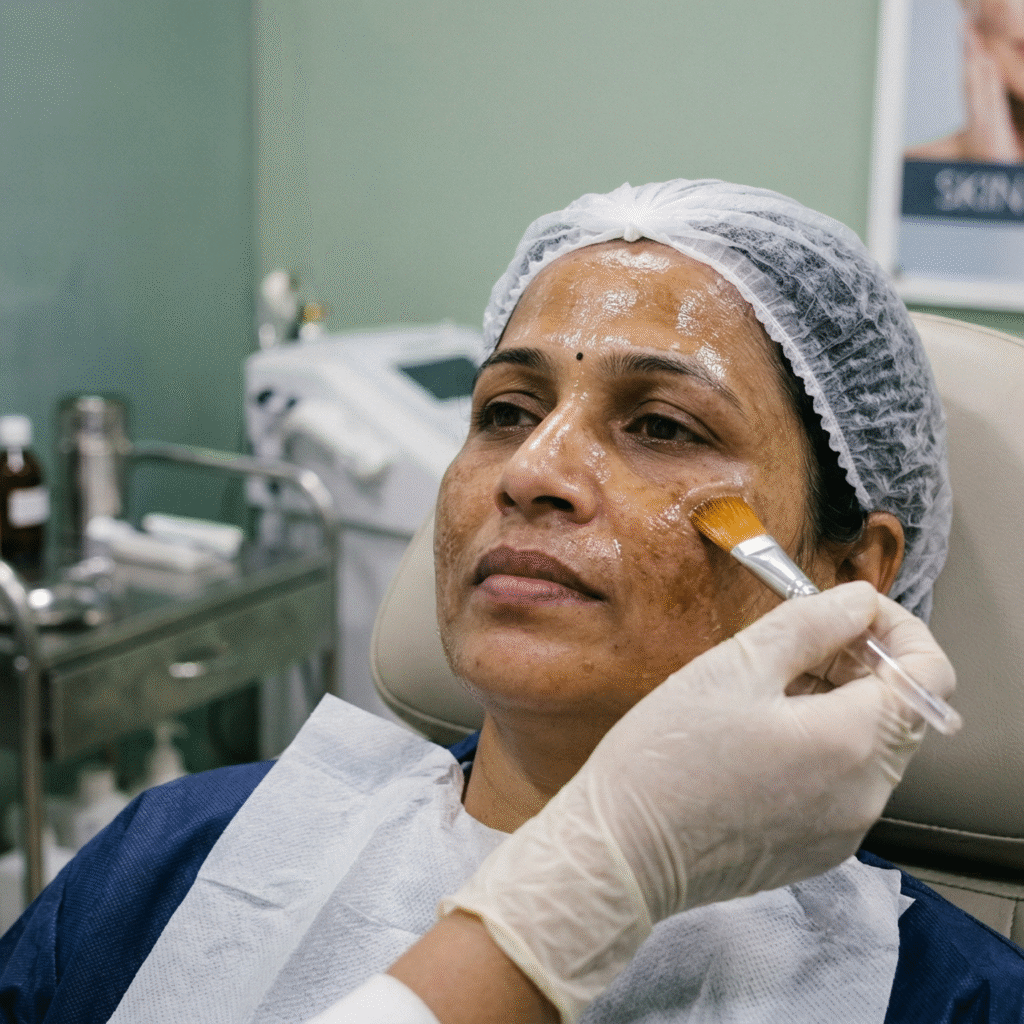
At Cutishine Derma Clinic, we never use a one-size-fits-all approach. Every treatment plan is personalised by our expert dermatologist, combining proven medical protocols with the latest technology.
Advanced Chemical Peels
Medical-grade chemical peels using glycolic acid, kojic acid, mandelic acid, or TCA target excess melanin and accelerate skin cell turnover. Ideal for epidermal melasma, post-acne marks, and uneven tone. Multiple sessions yield progressive brightening with minimal downtime. Specially formulated for Indian and South Asian skin to minimise risk of post-peel PIH.
3–6 SessionsQ-Switched Nd:YAG Laser Toning
The gold standard for melasma and pigmentation in Indian skin. The Q-Switched laser delivers ultra-short pulses of light energy that break down melanin deposits without damaging surrounding skin. It's safe for all skin types, including Fitzpatrick IV–VI, and delivers visible brightening, skin toning, and pore refinement. Our clinic uses the latest-generation laser technology for precise, controlled results.
Glutathione IV Drip Therapy
Intravenous glutathione — the body's master antioxidant — works at a cellular level to inhibit the tyrosinase enzyme responsible for melanin production. It promotes the conversion of eumelanin (dark pigment) to phaeomelanin (lighter pigment), delivering a gradual, natural-looking brightening effect along with powerful antioxidant and anti-ageing benefits throughout the body.
PRP Therapy (Platelet-Rich Plasma)
Using your own blood's growth factors, PRP stimulates skin regeneration, reduces inflammation, and improves skin texture while addressing pigmentation. An excellent natural option for patients with sensitive skin or those who prefer a biological treatment approach. Particularly effective when combined with microneedling.
Prescription Topical Therapy
Our dermatologist-prescribed topical regimens may include combinations of hydroquinone, tretinoin, azelaic acid, kojic acid, niacinamide, and corticosteroids — tailored to your specific pigmentation type and skin sensitivity. These medical-grade formulations are far more potent than over-the-counter products and are closely monitored for safety and efficacy.
Microdermabrasion & Hydrafacial
Gentle physical exfoliation combined with hydrating serums to resurface the skin, remove dead pigmented cells, and infuse brightening actives deep into the skin. An excellent maintenance treatment or entry-level option for mild pigmentation. Leaves skin immediately glowing with zero downtime.
Your Journey
How We Approach Your Treatment
Detailed Consultation
In-depth skin analysis, medical history review, and understanding your skin goals and lifestyle.
Skin Diagnosis
Wood's lamp analysis, dermoscopy, and Fitzpatrick skin typing to precisely identify your pigmentation type.
Custom Treatment Plan
A personalised, multi-modal protocol designed specifically for your skin type, pigmentation, and schedule.
Treatment & Sessions
Clinical procedures performed by our qualified dermatologist in a safe, hygienic, and comfortable environment.
Home Care Protocol
A prescription skincare regimen and sun protection plan to enhance and maintain your in-clinic results.
Follow-up & Review
Regular progress reviews with your dermatologist to track results and adjust the plan as needed.
EXCELLENTTrustindex verifies that the original source of the review is Google. Good treatment 💯% Dr. Varsha Dubey (Skin Doctors) is a very good doctor, his method of treatment is very different. and no matter how the patient is, he treats them in a correct way. He treats the disease properly only after finding out the reason behind it. Thank you doctor n my life best doctor Pankaj Sinha (LKO Airport - Amausi)Posted on GoogleTrustindex verifies that the original source of the review is Google. Very good skin doctor listen carefully my problems, excellent results. Fully satisfied with treatment.Posted on GoogleTrustindex verifies that the original source of the review is Google. Dr. Varsha Dubey is an exceptional dermatologist who truly cares about her patients. She is very friendly, takes the time to listen, explain everything clearly and makes you feel comfortable throughout the process. My skin concern have improved significantly under her care and i Highly recommend her to anyone seeking expert dermatological treatment...Posted on GoogleTrustindex verifies that the original source of the review is Google. Very good results of my skin problem fully satisfied with doctorPosted on GoogleTrustindex verifies that the original source of the review is Google. High recommendPosted on GoogleTrustindex verifies that the original source of the review is Google. Best Place for Any Skin Problems and Cosmetic Procedures. Dr. Varsha Dubey Patiently Listen All Problems and Gives Best Treatment. Highly Recommended.Posted on GoogleTrustindex verifies that the original source of the review is Google. I had a fantastic experience with Skin Doctors CUTISHINE . The clinic is clean, well-maintained, and follows excellent hygiene protocols. The staff is polite, professional, and attentive to every concern. The dermatologist took the time to understand my skin issues thoroughly and recommendedPosted on GoogleTrustindex verifies that the original source of the review is Google. Very good experience with dr varsha fully satisfied with treatmentPosted on GoogleTrustindex verifies that the original source of the review is Google. My mother has been taking treatment from Dr. Varsha Dubey at Cutishine Clinic, and we are very happy with the results. Dr. Varsha is experienced, kind, and explains everything clearly. The clinic is clean, well-managed, and the staff is helpful. We’ve seen visible improvement in my mother’s skin. Highly recommended for anyone looking for a good dermatologist in town!